
Loading...
Loading...

Responsible gun ownership begins with safety. Keeping firearms secure at home prevents theft, misuse, and accidental injury. Whether you own one firearm or several, creating the right storage setup ensures your weapons remain accessible to you and safe from everyone else.
Safe gun storage starts with awareness. Every firearm owner should know how to maintain, handle, and store firearms in a way that prioritizes life and security. This means keeping guns unloaded when not in use, locking them up, and separating ammunition.
Keep firearms unloaded until ready for immediate use.
Store firearms in a locked container or safe.
Keep ammunition in a separate, locked location.
Educate all household members about firearm safety.
Regularly inspect locks, safes, and triggers for functionality.
When these fundamentals become habit, you reduce risks dramatically and set a standard for responsibility in your household.
Gun storage isn’t one-size-fits-all. The right method depends on the number of firearms, space available, and how quickly you might need access in an emergency.
| Storage Type | Security Level | Accessibility | Ideal For |
|---|---|---|---|
| Gun Safe | Very High | Moderate | Multiple firearms |
| Lockbox | Medium | High | Handguns or home defense |
| Cable Lock | Low | High | Quick locking solution |
| Gun Cabinet | High | Moderate | Display firearms securely |
| Concealment Furniture | Medium | High | Hidden but accessible storage |
Each solution offers a different balance between access and protection. A gun safe, for example, is perfect for long-term storage, while a lockbox can keep a single handgun ready for defense.
The location of your firearm storage influences both convenience and security. A safe that’s bolted to the floor or hidden in a closet offers protection not only from theft but also from children’s curiosity.
Bedroom closet: Good for safes or lockboxes that need to be accessible.
Home office: Useful for discreet wall or desk safes.
Basement: Cool and dry environments protect metal parts from rust.
Hidden furniture: Suitable for tactical accessibility in strategic areas.
Avoid areas exposed to direct sunlight, moisture, or drastic temperature changes, as they can damage your firearms and ammunition.
A gun safe provides the most secure method for firearm storage. High-quality safes are designed to resist tampering, fire, and corrosion. Many models now feature biometric locks, heavy steel construction, and fireproof seals.
Wipe down metal surfaces before storage to prevent rust.
Keep the interior dry using desiccant packs or dehumidifiers.
Test lock mechanisms monthly to ensure smooth operation.
Record serial numbers and model details for insurance and police reports.
Installing a safe isn’t enough—regular upkeep ensures your firearms remain preserved and your security uncompromised.
Gun locks are small investments that yield great protection. Even if your firearms are stored in a safe, an additional layer of locking prevents unintentional use.
Trigger locks: Block trigger movement entirely.
Cable locks: Thread through action or magazine openings, preventing loading.
Smart locks: Require fingerprint or code input for access.
Combining these devices with a safe provides a multi-layered defense system—reducing the probability of firearm misuse to near zero.
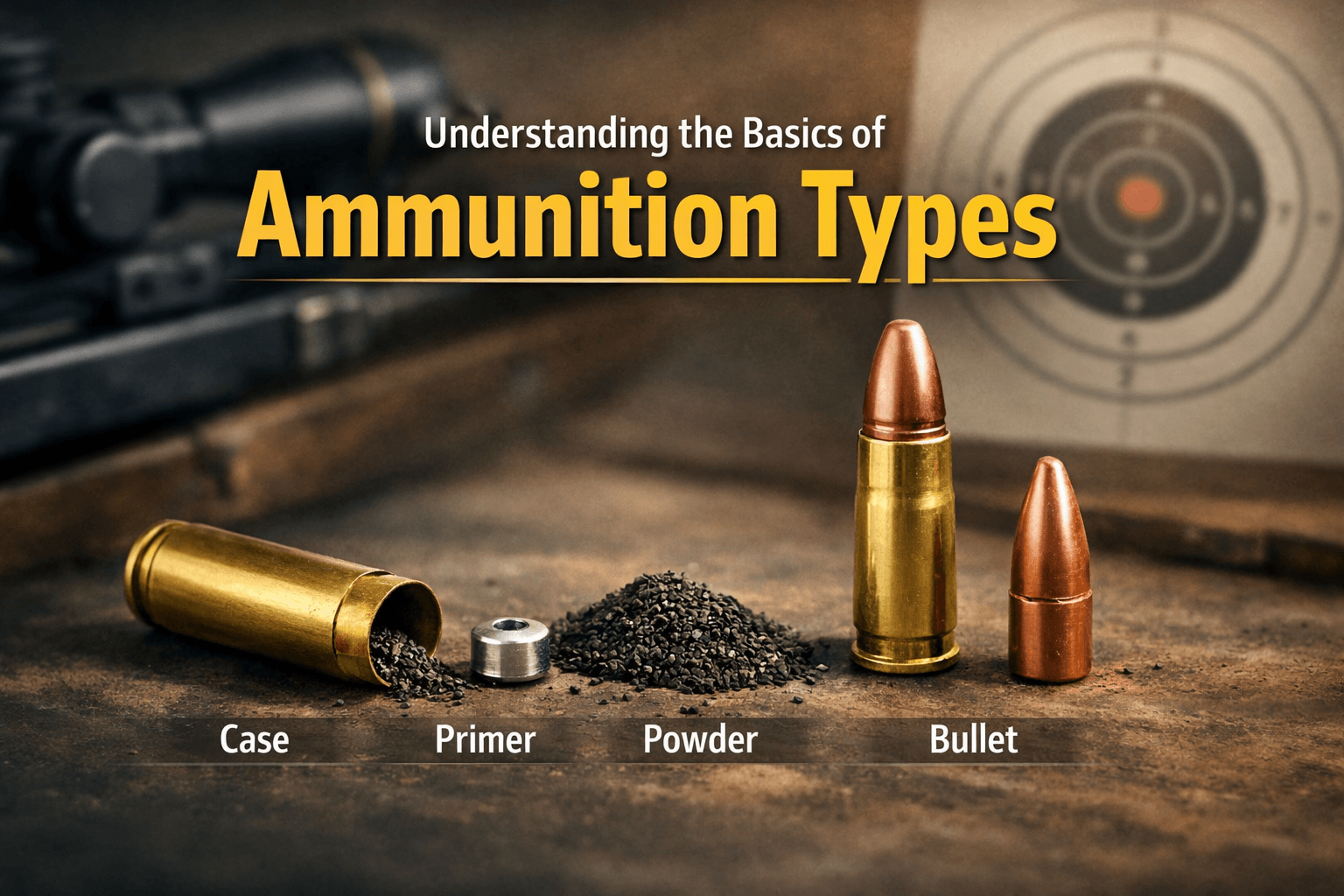
A critical yet often overlooked part of firearm safety is keeping ammunition in a different location. It’s not only a security measure but also a safety protocol that ensures firearms aren’t immediately operable if accessed improperly.
Use a locked metal ammo can with moisture-absorbing agents.
Label calibers clearly to prevent mix-ups.
Store in low-humidity spaces away from heat sources.
Regularly rotate ammunition stocks to maintain reliability.
This approach minimizes accidents while preserving ammunition quality for long-term use.
Education is one of the strongest defenses against accidents. Every person in the household, including children, should understand that firearms are not toys and should never be handled without supervision.
Conduct firearm safety discussions at home.
Teach children to never touch unattended firearms.
Enroll the family in certified gun safety courses.
Post visible safety reminders near storage areas.
By normalizing firearm safety conversations, you help create a culture of respect and awareness.
Regular inspection and maintenance guarantee your storage system remains dependable. Over time, humidity, wear, or tampering can weaken your security setup.
Confirm safes and locks are functioning.
Check for rust, corrosion, or moisture build-up.
Clean firearms before returning them to storage.
Replace batteries in digital locks as needed.
Check ammo storage for signs of deterioration.
Consistency keeps your safety measures reliable while preserving your firearm’s performance.
In certain situations, you may need to access your firearm quickly. Planning ahead allows you to secure firearms responsibly while remaining prepared.
Identify the firearm designated for home defense.
Use a biometric or keypad safe for rapid opening.
Keep the safe anchored in a discreet yet reachable area.
Practice safe retrieval and loading routines.
Preparation ensures you stay protected without compromising day-to-day safety.
Every responsible gun owner should treat firearm storage as part of ownership itself—not an afterthought. Secure storage saves lives, prevents thefts, and upholds the value of your investment.
Safe storage combines three key elements: reliability, discipline, and education. When these work together, your home remains both safe and prepared—the mark of true firearm responsibility.